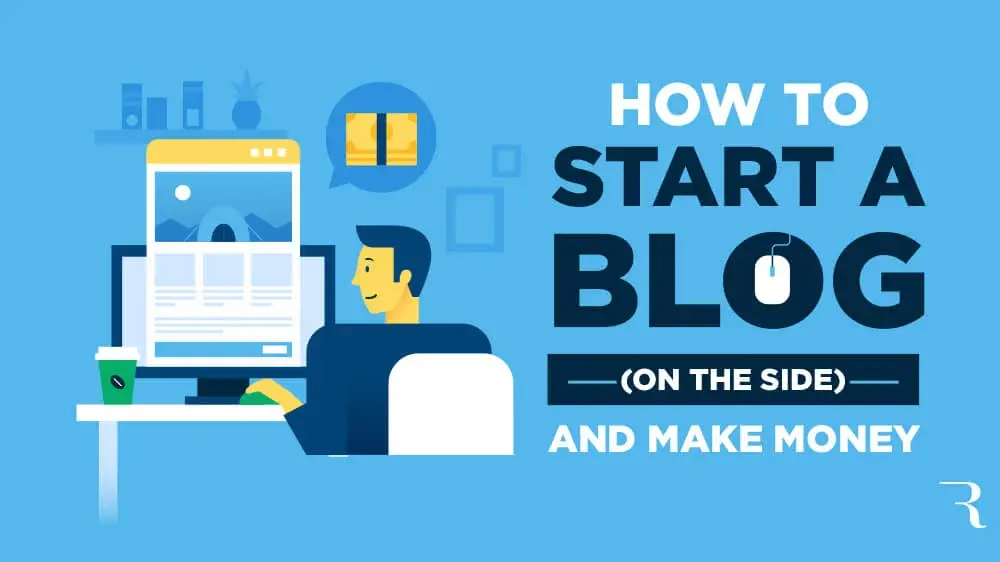
Starting Your Own Blog Site: A Beginner's Guide to Going Live
Starting Your Own Blog Site: A Beginner's Guide to Going Live
By John Doe on June 25, 2025
Creating your own blog website is one of the best ways to share your knowledge, grow your online presence, and even build a side income. Whether you're passionate about technology, travel, fitness, or food—your voice matters, and blogging lets you connect with people who care about the same things.
Why Start a Blog in 2025?
In today's digital world, having your own blog offers credibility, visibility, and opportunities. With tools like WordPress, Ghost, and static site generators, starting a blog doesn't require deep coding knowledge. Blogs help you:
- Build a personal brand or business identity
- Improve your writing and communication skills
- Generate passive income through ads or affiliate marketing
- Connect with a global audience on topics you love
Step 1: Choose Your Niche
Focus is key. A blog about “everything” will struggle to grow. Instead, pick a specific niche—like personal finance, web development, parenting, or minimalist travel. Think about what you’re passionate about and what people search for.
Step 2: Pick the Right Platform
Popular blogging platforms include:
- WordPress.org: Great for full customization and SEO
- Blogger: Simple and free for hobbyists
- Medium: Audience-rich but less control
- Ghost or Next.js-based blog: Modern, fast, and developer-friendly
If you have some technical skills, consider self-hosting for more control over your site's design, speed, and security.
Step 3: Choose a Domain & Hosting
A great domain name should be short, memorable, and relevant to your niche. Services like Namecheap or GoDaddy can help you secure a domain, while hosting platforms like Hostinger, Bluehost, or Netlify provide the infrastructure to go live.
Step 4: Design & Build Your Blog
Your blog should be:
- Responsive: Works on both mobile and desktop
- SEO-friendly: Clean HTML structure and optimized images
- Fast-loading: No bloated plugins or heavy themes
You can use templates or build custom layouts with tools like React + Tailwind CSS for full flexibility.
Step 5: Write High-Quality Content
Quality beats quantity. Make sure your posts are:
- Well-structured with headings, bullet points, and images
- Original, informative, and engaging
- Optimized for keywords your target readers search
A consistent publishing schedule—say, once a week—helps grow readership and domain authority.
Step 6: Promote Your Blog
Once you publish, don’t wait for people to find you. Share your content on:
- Social media: LinkedIn, Twitter, Instagram
- Email newsletters
- Online communities: Reddit, Quora, niche forums
Consider guest blogging and backlink building to boost your site’s SEO authority.
Step 7: Monetize (Optional)
If you're interested in income, here are some popular ways to monetize:
- Google AdSense or other ad networks
- Affiliate marketing (Amazon, ShareASale, etc.)
- Selling digital products like eBooks or courses
- Offering freelance services or consulting
Final Thoughts
Starting a blog site in 2025 is more than just a trend—it’s a digital asset. With consistency, strategy, and passion, your blog can become a powerful platform for expression, education, and even income. Start today, and build something you’ll be proud of.