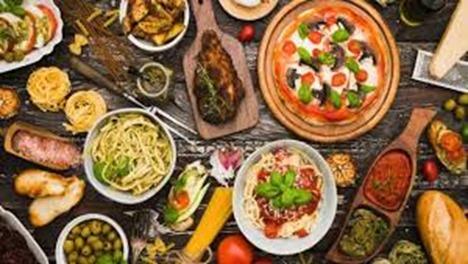
Flavors of the World, Crafted to Satisfy Every Craving
Common-categoryPublished on April 29, 2025
Startup Plan for a Food Business
Step 1: Define Your Food Business Concept
Ask yourself:
- What kind of food will you sell? (Fast food, ethnic cuisine, desserts, vegan, etc.)
- Will it be dine-in, takeout, delivery, or product-based?
- Who is your target market? (Office workers, students, fitness crowd, families, etc.)
Example Concepts:
- Healthy meal prep service
- Fusion food truck (e.g., Indian-Mexican)
- Artisanal bakery with delivery
- Packaged snacks (organic chips, protein bars, etc.)
Step 2: Market Research
- Analyze your competitors in your area or niche.
- Understand customer preferences, pricing, and gaps in the market.
- Visit similar businesses or run small surveys online or locally.
Step 3: Develop a Business Plan
Include the following:
- Executive Summary – Overview of your concept
- Business Description – Details of product, vision, mission
- Market Analysis – Competitor analysis, target audience
- Menu/Product Line – What you’ll sell
- Marketing Plan – How you’ll attract and retain customers
- Operations Plan – Daily workflow, supply chain, staffing
- Financial Plan – Budget, pricing strategy, break-even analysis
Step 4: Legal Requirements
- Choose a business structure: Sole proprietorship, partnership, LLC, etc.
- Register your business name.
- Obtain necessary licenses:
- FSSAI license (India)
- Food handler permits
- Local health department approval
- Fire safety certificate (for physical outlets)
- Apply for GST/Tax registration.
Step 5: Location and Setup
- Decide on physical location (restaurant, stall, truck) or go cloud/online.
- If physical, ensure:
- Good foot traffic
- Access to water, power, parking
- Design your kitchen/workspace efficiently.
- Buy equipment (ovens, freezers, utensils, packaging tools, etc.)
Step 6: Menu and Pricing
- Start with a focused menu to control costs.
- Consider portion size, ingredient cost, and local pricing trends.
- Test recipes and get feedback before launch.
Step 7: Branding and Marketing
- Create a brand name, logo, and theme.
- Build a social media presence early (Instagram, WhatsApp, Facebook, etc.).
- Use food delivery apps (Swiggy, Zomato, UberEats).
- Offer promotions, free samples, influencer marketing.
- Loyalty programs or discounts for repeat customers.
Step 8: Hire Staff (if needed)
- Kitchen staff, cashiers, delivery partners, or customer service.
- Train them for hygiene, speed, and service.
Step 9: Launch
- Do a soft launch for friends/family to get feedback.
- Plan a launch event or an online campaign to create buzz.
- Collect reviews and testimonials from Day 1.
Step 10: Monitor, Improve & Grow
- Track sales, expenses, and customer feedback.
- Optimize menu based on popularity/profit margins.
- Experiment with seasonal items or collabs.
- Explore additional revenue streams like catering, packaged versions, or franchising.
Theme of a Food Business
The central theme of a food business is providing quality, safe, and enjoyable food experiences to meet customer needs and preferences. It blends culinary creativity, customer service, and business strategy to satisfy hunger, taste, and lifestyle trends.
Common themes include:
- Health and wellness (e.g., organic, vegan, low-calorie)
- Cultural or ethnic cuisine (e.g., Italian, Indian street food)
- Fast and convenient (e.g., quick bites, delivery)
- Premium or luxury (e.g., fine dining, gourmet desserts)
- Sustainability (e.g., eco-friendly packaging, local sourcing)
Conclusion of a Food Business
A food business is more than just selling meals—it’s about building trust, creating memorable experiences, and adapting to changing tastes and technologies. Success in this field comes from consistent quality, smart marketing, and understanding customer behavior. With the right planning and passion, it can be both profitable and fulfilling.