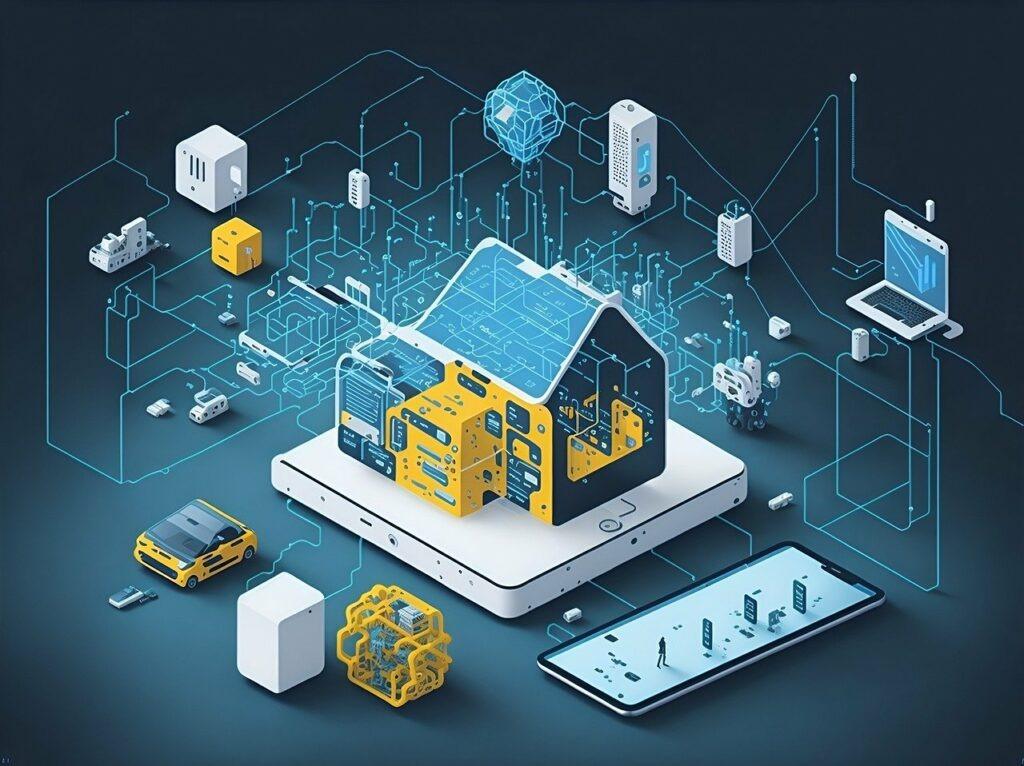
Internet of Things (IoT): The Definitive Guide to Connected Technology
IOTPublished on October 22, 2024
l
The Internet of Things (IoT): A Complete Guide
The Internet of Things (IoT) revolutionizes how we interact with our environment, connecting everyday devices to create smarter, more efficient systems. From smart homes to industrial applications, IoT technology drives innovation across sectors, promising enhanced automation, improved data analytics, and seamless connectivity.
Table of Contents:
- The Foundation of IoT Infrastructure
- Smart Sensors: The Building Blocks
- Connectivity Solutions
- Data Analytics and Intelligence
- Industry Applications
- Security Considerations
- Future Trends
- Implementation Guide
- FAQs
The Foundation of IoT Infrastructure
IoT infrastructure consists of three essential components: smart sensors, connectivity protocols, and data analytics platforms, enabling real-time monitoring and automated decision-making.
Smart Sensors: The Building Blocks of IoT
Smart sensors collect data on:
- Temperature and humidity
- Machine performance
- Vehicle diagnostics
- Energy usage
- Environmental conditions
- Occupancy and air/water quality
Key Benefits:
- Real-time data collection
- Reduced maintenance costs
- Predictive maintenance
- Enhanced safety and quality control
Connectivity Protocols: The Neural Network
Common protocols:
- WiFi 6
- BLE
- LoRaWAN
- 5G
- NB-IoT
- Zigbee
- Thread
- Cellular IoT
Selection Criteria: Power, range, data needs, security, cost, scalability, and complexity.
Data Analytics Platforms: Converting Data into Insights
Tools and technologies:
- Machine Learning & AI
- Cloud and Edge Computing
- Big Data Tools
- Digital Twins
- Augmented Analytics
- NLP
Transformative Applications Across Industries
Manufacturing and Industry 4.0
- Monitor equipment health
- Optimize production
- Predictive maintenance
- Quality control and energy management
Smart Cities
- Traffic and transportation
- Waste management
- Public safety and infrastructure
Healthcare
- Remote monitoring
- Smart devices
- Asset tracking
- Telemedicine
Security and Privacy Considerations
Device Security
- Firmware updates
- Authentication & encryption