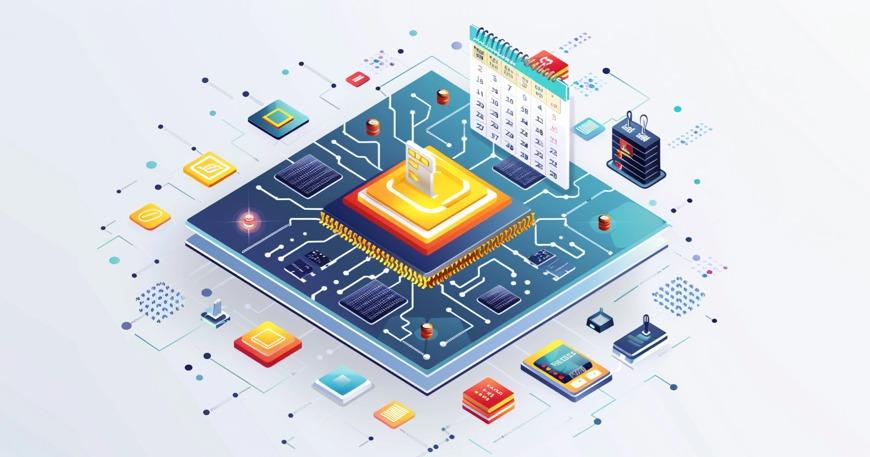
Embedded Systems: Revolutionizing Technology in Everyday Life
Discover the Impact and Future of Embedded Systems Technology
Embedded systems power many of the devices we rely on daily, from smartphones to advanced medical equipment. These systems play a vital role in making modern technology more efficient and intelligent. In this blog, you’ll learn about embedded systems, how they work, their key features, and the sectors that rely on them.
What Is an Embedded System?
An embedded system is a specialized computer designed to perform one specific function within a larger system. Engineers design these systems with microcontrollers or microprocessors, which execute predefined tasks with precision. Rather than managing multiple functions like regular computers, embedded systems focus on a single dedicated task. You’ll find these systems in a wide range of devices, from simple gadgets to complex industrial equipment.
Key Features of Embedded Systems
- Focus on Specific Tasks: They handle specific operations tailored to the device or function they control, ensuring efficiency.
- Real-Time Operation: Many embedded systems process information and deliver outputs in real time, ensuring tasks happen without delays.
- Energy Efficiency: They consume minimal power, making them ideal for battery-operated devices and energy-conscious applications.
- Compact and Lightweight: Their small size makes them easy to integrate into portable devices like smartphones and wearables.
- High Reliability: Embedded systems are designed for critical tasks, so they must operate with high accuracy and reliability.
How Different Sectors Use Embedded Systems
Embedded systems impact various industries by increasing efficiency, precision, and automation. Let’s explore how some sectors rely on these systems:
- Automotive Industry: Vehicle safety, performance, and entertainment systems like airbags, ABS, and infotainment rely on embedded systems.
- Healthcare: Devices like pacemakers and diagnostic machines use embedded technology for real-time patient monitoring and care.
- Consumer Electronics: Smartphones and smartwatches use embedded systems for data processing and energy management.
- Telecommunications: Routers and modems use embedded systems to ensure fast and reliable connectivity.
- Industrial Automation: Embedded systems control robotics and production lines to improve efficiency and reduce errors.
- Aerospace and Defense: Navigation, guidance, and surveillance rely on highly reliable embedded systems.
- Home Appliances: Devices like washing machines and refrigerators are smarter thanks to embedded systems.
Real-World Applications of Embedded Systems
- Self-Driving Cars: Process sensor data to make safe driving decisions in real time.
- Wearable Devices: Collect and analyze health metrics like heart rate and steps.
- Smart Home Devices: Automate home functions such as lighting and climate control.
The Benefits of Embedded Systems
- Boost efficiency with task-specific operation
- Reduce costs with specialized hardware
- Save energy in battery-powered and portable devices
- Deliver compact, space-saving solutions
- Increase reliability in critical applications
Trends Shaping the Future of Embedded Systems
- AI-Powered Systems: Allow smarter, adaptive behavior in real-time environments
- IoT Integration: Connect billions of smart devices through embedded control
- 5G Connectivity: Support low-latency, high-speed applications in medicine and industry
- Greater Energy Efficiency: Lower power usage across all applications
- Enhanced Security: Improve protection against cyber threats with secure architectures
Conclusion
Embedded systems are revolutionizing how we interact with technology, powering a wide range of industries from healthcare to automotive and telecommunications. Their ability to perform specific tasks with high efficiency, low power consumption, and real-time performance makes them crucial in today’s connected world. As technology continues to evolve with AI, IoT, and 5G, embedded systems will play an even larger role in driving innovation.
Businesses and developers need to stay ahead of these advancements to harness the full potential of embedded systems and remain competitive in a rapidly evolving tech landscape.