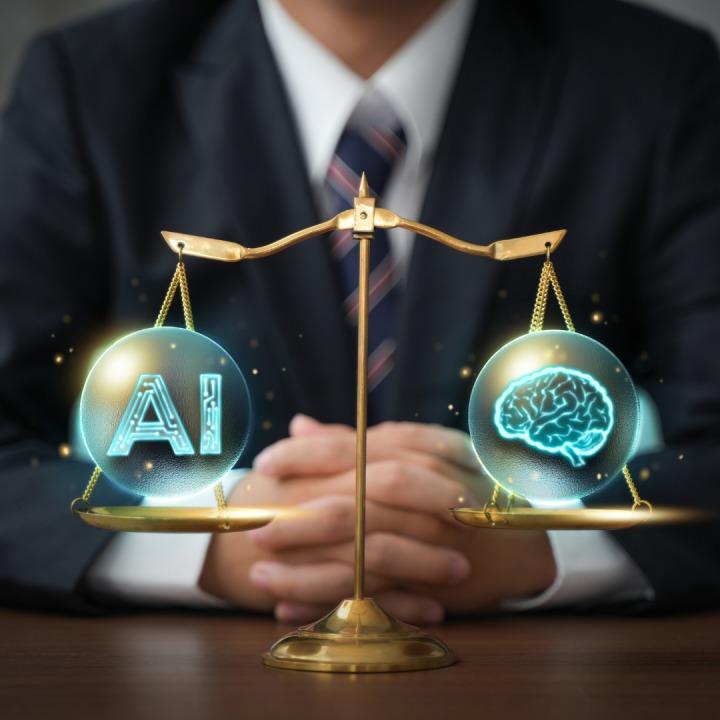
Understanding AI Ethics in Content Creation: Navigating the New Frontier
Ethical Challenges of AI in Content Creation
Explore the ethical challenges of AI in content creation, including bias, authorship, and transparency, and learn best practices for responsible AI use.
What Is AI in Content Creation?
AI in content creation refers to the use of machine learning algorithms and natural language processing (NLP) to generate various types of media. These systems can produce text, images, audio, and video based on inputs from users, often replicating human creativity. While AI-generated content saves time and resources, it also raises significant ethical questions about authorship, originality, and fairness.
For a deeper understanding of AI tools in content generation, check out OpenAI’s GPT models, which are widely used for text generation. These models highlight AI’s growing influence in producing content across industries, but they also introduce ethical complexities.
Key Ethical Concerns in AI-Generated Content
1. Authorship and Originality
One of the most debated topics in AI ethics is authorship. When AI generates content, who holds the rights? Is it the developer of the AI model, the individual who prompted the AI, or the AI itself? Many fear that as AI becomes more advanced, distinguishing between human-made and AI-created content will become difficult, blurring the lines of originality. This challenge raises questions about intellectual property rights and how content should be credited.
2. Bias in AI-Generated Content
AI models rely on large datasets to learn and generate content, and these datasets often contain inherent biases. Whether it’s gender, race, or socio-political biases, AI may unintentionally perpetuate harmful stereotypes through the content it creates. Developers must ensure that the datasets used for training AI models are diverse and inclusive to minimize biased outputs.
For instance, ensuring that AI tools generate unbiased content aligns with ethical standards and helps promote inclusivity in the digital space. By addressing bias head-on, content creators can produce ethical, responsible content that resonates with diverse audiences.
3. Misinformation and Manipulation
AI tools are incredibly powerful when it comes to generating convincing text, images, or videos, but this ability also makes them ripe for misuse. The spread of deepfakes, AI-generated misinformation, or manipulated content can easily deceive audiences, especially in political or social contexts. Content creators must remain vigilant about how AI is used, ensuring that it doesn’t contribute to the spread of false or harmful information.
In response to these concerns, some platforms have started implementing guidelines and policies around AI-generated content to prevent misinformation from spreading. Ethical content creation requires not only transparency about the use of AI but also accountability for the content that AI produces.
4. Job Displacement
As AI takes on more roles in content creation, many fear it could lead to job displacement for writers, designers, and other creative professionals. While AI can assist with content generation, it’s crucial to remember that it lacks the emotional intelligence, creativity, and nuance that human creators bring. Ethical AI use in content creation should involve collaboration between human creativity and AI efficiency, rather than replacement.
Best Practices for Ethical AI in Content Creation
1. Transparency
Content creators must be transparent about when and how AI tools contribute to their work. Labeling AI-generated content clearly ensures that audiences understand the role AI played in the creation process. Transparency builds trust and prevents potential ethical issues related to authorship and manipulation.
2. Diverse and Inclusive Data
To minimize bias, AI models must be trained on diverse datasets. This approach ensures that AI generates content that reflects a wide range of perspectives, experiences, and cultures. By prioritizing inclusivity, developers can help combat biased outputs, ensuring that AI-generated content is fair and equitable.
3. Human Oversight
AI should serve as a tool to enhance human creativity, not replace it. Human oversight remains critical in content creation to ensure the final output aligns with ethical standards. Creators should review and refine AI-generated content, making necessary adjustments to ensure quality and ethical compliance.
4. AI Literacy
As AI becomes more prevalent in content creation, creators and consumers alike should develop a basic understanding of how AI works and the ethical issues it can raise. By promoting AI literacy, we can foster a more informed society that understands both the benefits and challenges of AI-generated content.
The Future of AI Ethics in Content Creation
The rapid advancement of AI technology shows no signs of slowing down, making it crucial to establish robust ethical guidelines. As AI becomes more deeply integrated into content creation, developers, businesses, and creators must work together to create ethical frameworks that address concerns around bias, authorship, misinformation, and job displacement.
At NSTHEHACKER Blog, we continue exploring how AI impacts industries like modern art, web development, and more. Ethical AI use in content creation will only grow more relevant as these technologies advance.
Conclusion: The Path Forward for Ethical AI in Content Creation
Understanding AI ethics in content creation is essential as AI continues to reshape how we produce and consume media. By addressing issues such as bias, authorship, misinformation, and transparency, we can ensure that AI contributes positively to the creative landscape. Ethical AI use requires collaboration between human creativity and technological innovation, ensuring that the content generated by AI upholds fairness, inclusivity, and accountability.
For more insights on how AI influences the digital world, check out our blog on AI’s Role in Modern Art, where we discuss its impact on creativity and expression.