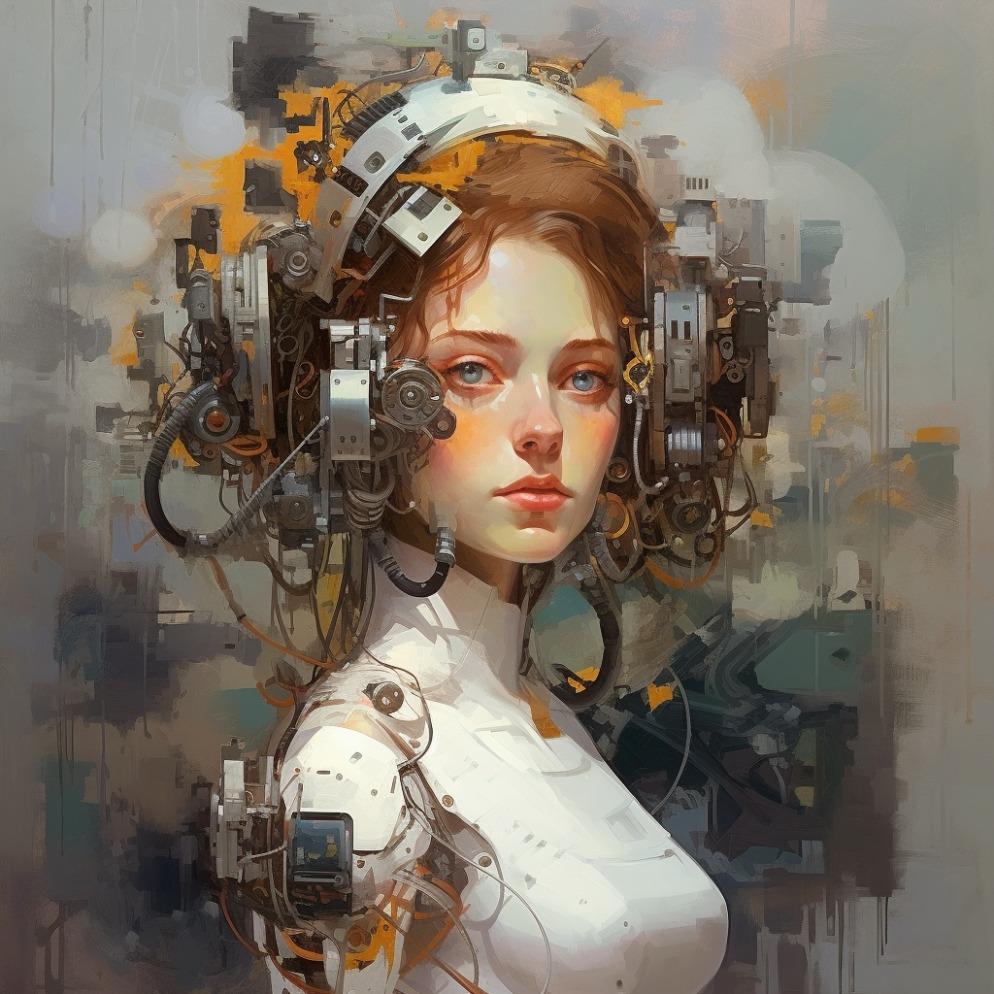
The Role of AI in Modern Art: A Creative Revolution **
AI’s Role in Modern Art
Artificial intelligence (AI) has expanded its influence far beyond technology and data science, reshaping modern art in exciting ways. AI-driven creativity now generates original artwork, collaborates with human artists, and challenges traditional notions of artistic expression. This post explores how AI plays a transformative role in modern art and highlights its potential to revolutionize the art world.
What is AI-Generated Art?
AI-generated art uses machine learning algorithms, neural networks, and other advanced technologies to create visual art, music, and even poetry. These AI systems learn patterns and styles from large datasets, producing new pieces based on that knowledge. Some notable tools, like DeepDream by Google and OpenAI’s MuseNet, have demonstrated AI’s ability to mimic human creativity while generating innovative works of art.
AI art takes many forms, including digital paintings, sculptures, music compositions, and interactive installations. As AI advances, its role in generating art continues to expand, making it an integral part of the future art landscape.
AI’s Impact on the Art World
AI significantly impacts how modern art is created and appreciated. Artists now use AI to experiment with new techniques, generate fresh ideas, and explore unique styles. You can find some groundbreaking examples of AI in art, such as the Portrait of Edmond de Belamy, which sold for $432,500 at a Christie’s auction. This event marked a milestone for AI art, proving its commercial value and cultural relevance.
Internally, at NSTHEHACKER Blog, we’ve explored how emerging technologies shape other industries, such as the future of AI in web development, highlighting AI’s transformative power across fields.
How AI Enhances Creativity
- Generate New Styles and Patterns: By analyzing vast datasets, AI discovers unique combinations of artistic styles, offering fresh perspectives to human creators.
- Speed Up the Creative Process: AI assists with repetitive tasks, such as color correction or rendering 3D models, allowing artists to focus on more intricate details.
- Create Interactive and Immersive Art: AI enables artists to build interactive installations and virtual reality experiences that respond to user input in real time. For instance, Refik Anadol uses AI to create data-driven digital art that visualizes everything from wind patterns to human brainwaves.
The Difference Between AI and Human Art
While AI can produce artwork that rivals human creations, there remains a crucial difference between AI and human-made art. Human artists inject emotion, intention, and personal experiences into their work, making it deeply personal. On the other hand, AI-generated art relies on patterns and data, lacking the emotional depth humans bring to their creations.
Despite these differences, AI-generated art raises intriguing questions about creativity and artistic value. Do we value art for its emotional resonance or its visual impact? Can AI art evoke the same emotional response as human-made works? These debates will continue to shape how we define art in the digital age.
Ethical Considerations and AI Art
AI-generated art brings ethical concerns into the spotlight. Who owns the rights to AI-created pieces? Is it the artist who programmed the AI, or does the credit belong to the AI itself? These questions challenge traditional notions of authorship and intellectual property. As AI technology advances, the art world must adapt to these new challenges.
For a deeper look into how cybersecurity and tech ethics intersect, check out our post on Cybersecurity Essentials, where we discuss the importance of protecting digital innovations and creations.
The Future of AI in Modern Art
The future of AI in art promises exciting developments. As AI technology evolves, we will likely see:
- More Collaboration Between AI and Human Artists: AI will continue to enhance human creativity, enabling artists to explore new concepts and push the limits of their work.
- New Art Forms: AI will help create fully immersive experiences in virtual reality, augmented reality, and interactive digital spaces.
- A Growing AI Art Market: The commercial value of AI-generated art will likely grow, attracting more attention from galleries, collectors, and art enthusiasts.
Conclusion: AI’s Role in Shaping the Art World
AI plays a pivotal role in modern art, offering artists new ways to create, experiment, and collaborate. By harnessing the power of AI, artists can transcend traditional boundaries and explore new forms of creativity. As AI continues to evolve, it will undoubtedly redefine what art means and how we appreciate it.
The rise of AI-generated art represents just one part of AI’s impact on various industries. If you’re interested in learning more about how AI is shaping the world, explore our post on The Future of AI in Web Development.